Showing posts with label relationship. Show all posts

Friday, December 11, 2020

Climbing into the Honda

 These were amazing days for the First Church of Jerusalem.  Thousands were coming to faith in Jesus.  


It seems like every time you turn around God is doing great miracles through the apostles.  


These believers have stood boldly for Christ when challenged by the Sanhedrin. They are so united in the Lord that people are selling property to meet every need.  


And then there was that ugly Ananias and Sapphira "incident."


Luke tells us that "many signs and wonders were regularly done among the people by the hands of the apostles" (v12).  "Signs and wonders" is an important biblical phrase.  


And it's not just limited to the NT.  It's the description given in the OT for the miracles/plagues God did through Moses while in Egypt.  


Peter quoted Joel 2:28-32 in his Pentecost sermon, noting that God said, "I will show wonders in the heavens above and signs on the earth below..." (Acts 2:19).


In other words, these words are a signpost to let us know that the Third Person of the Trinity is at work.  Don't forget that the Holy Spirit is the star of the show in Luke's second volume.  


The phrase "signs and wonders" appears a handful of times in the Gospels, but begins making regular appearances in Acts (Acts 2:43; 4:30; 6:8; 14:3; 15:12).


What's the purpose of the Holy Spirit working these signs and wonders?  The Apostle Paul tells us in 2 Corinthians.  "The signs of a true apostle were performed among you with utmost patience, with signs and wonders and mighty works" (2Cor 12:12).  


In other words, these were God's stamp of approval on His apostles.  They were clear indications to the people that these men were God's official representatives.


Once again they gathered under Solomon's Portico.  This was a covered porch on the outside of the Court of the Gentiles on the temple grounds.  


Dr. Luke writes that "they were all together" there.  This is the Greek word ‘ομοθυμαδον/homothumadon.  This adverb is sometimes translated as "in one accord" 


Did you know that all of the apostles could actually fit into a Honda?  In one Accord, get it?  When Dad Jokes meet Bible Jokes we know these are dark days.


One of Luke's absolute go-to terms is ‘ομοθυμαδον/homothumadon.  He uses it eleven times.  It is only found once outside of Acts (Rom 15:6).  


It carries the idea of being united with one mind and with one passion.  We must ask ourselves if we are united with one mind and one passion with other believers.  


Or are we busy pushing our own agenda at church?  Are we "one issue voters?"  


We can be so full of...well, ourselves.  Instead, let's set aside our personal agendas and and be filled with the Holy Spirit.  


Remember, this is Jesus' new command "that you love one another; just as I have loved you, you also are to love one another.  By this all people will know that you are My disciples, if you have love for one another" (Jn 13:34-35).  


And this is Jesus' prayer for us.  He asked His Dad "that they may be one, even as We are one" (Jn 17:11).  


It's Paul's plea to the church at Philippi, "being of the same mind, having the same love, being in full accord and of one mind" (Phil 2:2).


When we are submitted to Jesus and filled with His Spirit, we too are ‘ομοθυμαδον/homothumadon.  


This isn't up to anyone else.  It's up to you.  Yeah, I'm talking to YOU!  That's right, the one in the mirror.


One mind.  One passion.  One accord. 


Climb into the Accord.  There's room for one more!


©2011

Jay Jennings

Wednesday, March 21, 2018

An Apostolic Preseason Game


Getting up to Game Speed

In order to get ready for the real games, athletes need something more than just practice. Maybe it’s a scrimmage, where you play at game speed against your teammates. But even better, are preseason games against real opponents. They may be frightfully boring for fans but incredibly necessary for the teams.

These exhibition contests may not count in the standings, but they allow you to put into practice what you’ve been working on in practice. They give coaches the chance to see what you’re doing right and what still needs work.

Jesus Coaches Them up

Did you know we get a box seats to an apostolic preseason game in Mark’s Gospel (Mk 6:7-13)? We get locker room access to see Jesus coaching up His boys and then sending them out onto the field. The team doesn’t know it yet, but the start of the regular season is right around the corner.

It’s interesting to note that this comes on the heels of Christ playing a tough home game (Mk 6:1-6). He returns to Nazareth only to have the home crowd turn on Him. They aren’t buying His claim to be God’s long promised Hero. They simply see Him as the local Carpenter. You know, Joe and Mary’s Boy.

Pregame Instructions

Actually most of what Mark describes in this next passage is actually the Lord giving His guys pregame instructions (v7-11). He assigns them each a teammate (v7), the ability to do the job (v7), the specific equipment they will need (v8-9), what to do when they get on the field (v10), and a realistic expectation of what to expect (v11).

The author only provides a brief summary of what actually happens in the game (v12-13). If you’re a sports fan, you know how difficult it can be to find details of preseason games. Sometimes you’re lucky just to find a boxscore. Same here.

A Timeless Coaching Method

After taking His boys on a teaching tour of the villages surrounding Nazareth (Mk 6:6), Jesus decides it’s time for His team to give it a try without Him. “And He called His twelve disciples together and began sending them out two by two, giving them authority to cast out evil spirits” (v7).

Mark begins by showing Jesus doing something that He’s still doing today. He calls His team in so that he can send them out. Christ’s timeless coaching method begins with bringing His followers in close.

In doing so, our Savior reveals His heart, His vision, and His strategy. Over and over, He personally demonstrates what to do. Teaching. Healing. Loving. His disciples get an up close and personal look at both the why and the how.

Jesus’ Supernatural Game Plan

Two thousand years later, He still does the same for us. After heading home to His Father in heaven, Jesus left us His playbook in the form of His Word. In it, the Lord explains His supernatural game plan. In the four Gospels, we can sit back and watch the game films of how He did it.

But the Son of God doesn’t just call His team into the locker room for an endless strategy session. Eventually He sends them out onto the field. Same with you and me. Jesus calls us in so that He can send us out.

Disciples and Apostles…What’s the Difference?

Did you know that’s the difference in referring to His crew as “disciples” and “apostles?” Jesus calls His disciples close. He sends His apostles out. We actually see that when we take a closer look at the original language in verse 7.

The word the NLT translates as “sending” is actually the Greek verb αποστελλω/apostello. Do you see it? Yup, it’s where we get the word apostle. It means to send with full authority and a particular purpose.

Capital “A” Apostles

When Christ prays for His crew the night before His crucifixion, He uses the same word when talking to His Heavenly Dad. “Just as You sent (Gr. αποστελλω/apostello) me into the world, I am sending (Gr. αποστελλω/apostello) them into the world” (Jn 17:18).

Just to be sure, Jesus didn’t stop sending people after sending His very first team. Oh, there aren’t any more capital “A” Apostles. Those are the guys He sent after they personally saw His resurrection. But there are lowercase “a” apostles all over the place.

He Still Sends

That’s because He’s still sending folks in His name with full authority and a particular purpose. One of those people is actually reading these words right now. Yeah, I’m talking to YOU! If you’re a follower of Jesus, He’s called you in so that He can send you out. It’s time to get on the field (Mt 28:18-20).

Our Savior gathers His people together today. For weekend worship. In small groups. In Sunday school. There’s power and encouragement when believers connect. Did you know that Jesus actually prays for this to happen. He asks His Father to make us just as close with each other as the Two of them are (Jn 17:21).

Get in the Game!

But coming together isn’t the end game. He sends each of us to get into THE Game! Jesus releases us into the world as shiners of His light and spreaders of His salt. That doesn’t happen if we never leave the holy huddle.

Teams of Two

Back inside the apostolic locker room before the exhibition game, the Lord pairs the boys in teams of two. He sends them out “two by two” (v7). Mark gives us this juicy little tidbit that we don’t see when Matt and Dr. Luke tell this same story (Mt 10:1, 5-15; Lk 9:1-6).

It’s one of the reasons why I love Mark’s Gospel. He gives you cool firsthand details we don’t see anywhere else. Where’s he getting his info? The one and only Apostle Peter. The early followers of Jesus believed the disciple Christ nicknamed Rocky actually ghostwrites the second Gospel.

It’s a Team Sport

Christ teams the boys up “two by two” (v7). What a great reminder that our faith is a team sport. Is each one of us individually accountable to God? Absolutely. But Christ places us into His Body so we won’t be alone. Remember, a sheep flying solo is an easy target for the enemy.

Working in pairs is another one of Jesus’ classic coaching methods. When the boys go out, they’re never alone. The other brother covers your backside. Teams of two provide accountability, encouragement, help, and discernment. It also meets the minimum legal requirement for testimony in court (Dt 19:15).

We’re Better Together

It’s exactly the kind of thing Solomon writes about in Ecclesiastes 4:10-12. “Two people are better off than one, for they can help each other succeed” (Ecc 4:10). There’s always someone there to pick you, keep you warm, and have your back. We’re better together.

Solomon reminds us that when two team up in God’s name, they’re actually like a triple-braided rope (Ecc 4:12). Who’s that Third Person? You get three guesses and the first two don’t count. Yup, none other than Jesus Himself.

Continuous Power and Authority

The Lord tells them what to do and gives them the power to do it, “giving them authority to cast out evil spirits” (v7). Matthew is a little more specific when he quotes Christ. “Heal the sick, raise the dead, cure those with leprosy, and cast out demons” (Mt 10:8). In other words, give folks a sneak preview of God’s kingdom.

Bible experts point out that the grammar here is important. The form of the verb here tells us Jesus keeps on giving His posse continuous power and authority all through their tour. When we obey Our Savior’s instructions, He won’t leave us hanging.

ALL Authority

Jesus can give us divine authority because He’s received it straight from His Dad. “I have been given all authority in heaven and on earth” (Mt 28:18). Not a little. Not some. Not a big chunk. But ALL authority. A-L-L. That’s what makes Him the King of Kings and the Lord of Lords.

On one hand, He sends us all of us in His authority. With His full backing, “we are Christ’s ambassadors; God is making His appeal through us” (2Cor 5:20). He sends us out to be disciple-making disciples (Mt 28:19-20).

Don’t Leave Home without It

On the other, we have absolutely no clout without Christ. Don’t believe me? Read what happens to seven brothers who get too big for their spiritual britches and try to exorcise a demon without Jesus’ authority (Acts 19:13-16). They ended up running out the front door naked and bleeding.

As Matt Chandler likes to say, anytime you start a fight wearing pants and you’re buck naked when it’s over…YOU LOST! These bros get demonically spanked because they didn’t have the Lord’s backing. Forget American Express. Jesus’ authority. Don’t leave home without it.

No Frills

For this mission, the Lord won’t let them take a lot of gear. “He told them to take nothing for their journey except a walking stick—no food, no traveler’s bag, no money” (v8). This is no pleasure cruise or luxury vacation. This is to be no frills, more like camping and hiking.

Jesus also limits their luggage. “He allowed them to wear sandals but not take a change of clothes” (v9). There will be no bags to check. Just a small carry on. John MacArthur points out that in the First Century a change of clothes was a status symbol. A limited wardrobe allows them to identify with the working poor.

You Are the Equipment

Take only the essentials. And the only true essentials are His authority and His message. This particular opportunity is going to be an object lesson in faith. Trust God to provide. Trust Him to provide meals. Trust Him to pay your way.

I absolutely love how the Message treats these verses. “Don’t think you need a lot of extra equipment for this. You are the equipment. No special appeals for funds. Keep it simple” (v8-9 The Message). Alexander MacLaren puts it this way. Minimum provision calls us to maximum faith.

Pack light. Travel light. Shine the light.

Stay in Position

Jesus tells His team where to go and how long to stay there. “‘Wherever you go,’ He said, ‘stay in the same house until you leave town’” (v10). Stay in your position when you get into the game. Don’t start running randomly all over the field. Don’t go rogue. Don’t freelance.

He wants them to be smart about where they stay. Remember, there are no Comfort Inns or Radissons where they’re going. Think a bare bones AirBnB or VRBO.

Settle in and Settle down

Christ instructs them to settle in and settle down. Don’t jump from house to house. Don’t look for a better offer. It’s His way of saying true contentment comes from their relationship with Him, not their housing situation (Phil 4:12-13; 1Tim 6:6).

Staying in the same place allows them to build relationships. It’s a reminder that they’re there to serve. The Twelve are to focus on loving people well by meeting both their spiritual needs through repentance, as well as physical needs by casting out demons and healing the sick.

It Won’t Be Easy

Just before they leave the locker room, Jesus wants His boys to know that it won’t be easy. “But if any place refuses to welcome you or listen to you, shake its dust from your feet as you leave to show that you have abandoned those people to their fate” (v11).

You don’t have to squint to see application to living on mission for Jesus today. Don’t expect to just roll your helmets onto the field and win. Expect it to be hard. Some folks don’t want anything to do with Christ or His gracious Gospel.

Making the Introduction

Remember, we’re NOT responsible for how others react to the Good News. We’re simply called to share Jesus’ offer clearly and faithfully. Our assignment is to spread the Gospel. It’s God’s job to save them. We just make the introduction. The rest is up to Him.

Does it hurt when folks you care about give you the Heisman when you offer God’s grace? You betcha. But stay cool. “If you’re not welcomed, not listened to, quietly withdraw. Don’t make a scene. Shrug your shoulders and be on your way” (v11 The Message).

Time to Take the Field

It’s time for Team Jesus to take the field for their first preseason game. “So the disciples went out, telling everyone they met to repent of their sins and turn to God” (v12). They run out of the tunnel and do exactly what their Coach tells them to do.

They preach repentance. That’s a religious word that’s gotten a bad rap in recent years. At its core, repentance means turn from your sin and turn to God. Do a 180 from the broken and dysfunctional life you’ve been trying to live on your own and grab ahold of the overflowing, abundant life Jesus offers (Jn 10:10).

Stop Where You Are

The core of Christ’s message is that you and I can’t do it apart from Him. And by “it,” I mean life. He came and lived the perfect life we’ve failed to live. He came and died the death for our sin and rebellion we deserve. He came and gave us a radically new resurrection life we could never gain on our own.

God offers each of us His incredible gift of repentance. He desperately wants us to know that we can stop right where we are and turn back to Him. There’s no “getting myself cleaned up before coming back to church.” Just turn around. When you do, you’ll be surprised that Jesus has been right there waiting for this moment your entire life.

Fixing Broken Lives

The other quick highlight from this apostolic exhibition game is how Jesus uses the boys to fix broken lives, both spiritually and physically. “And they cast out many demons and healed many sick people, anointing them with olive oil” (v13). They stick to the Lord’s game plan He shares in back in the locker room (v7) and send Satan’s posse packing.

Medicinal Duct Tape

Our Savior also works through the disciples to restore health. Apart from the healing power of the Great Physician, their main medicine is olive oil. It’s the go-to cure-all for folks back in the First Century. Kinda like aspirin or ibuprofen for us today.

Since they clearly didn’t have carry a bottle with them when they left Jesus, they use the household oil that people have in their homes. It’s something you would find in medicine cabinet of every Palestinian home. Think of olive oil as medicinal duct tape.

Take Your Meds

In one of Jesus’ most famous parables, a guy we now call the good Samaritan provides first aid with it when helping a victim of violent crime. “The Samaritan soothed his wounds with olive oil and wine and bandaged them” (Lk 10:34).

According to Jesus’ kid brother, church leaders are to apply olive oil meds to those who are sick as they pray for them (James 5:14). It’s a reminder of how God works through healthcare professionals. Following a physician’s orders does NOT demonstrate a lack of faith. Go to the doctor. Take your medicine.

A Sneak Preview

The application of olive oil could also be sneak preview for the anointing of the Holy Spirit. God the Father and God the Son send God the Spirit to each and every believer after Jesus heads back home to heaven (Acts 2:1-4; Rom 8:9; 1Cor 3:16; 6:19; Gal 4:6; Eph 5:18). If you follow Jesus, He’s drenched you in His Spirit.

The disciples provide healing and give us a peak behind the curtain of eternity. On the other side, God promises to put sickness and suffering in the rearview mirror once and for all (1Cor 15:42-43; Rev 21:4). No more flu shots or funerals. I, for one, can’t wait!

Hit the Road in Our Flip Flops?

So what do you and do with this passage? Do head out on assignment in Jesus’ name without a change of clothes wearing our flip flops? Do we randomly knock on doors asking if we can crash in some stranger’s guest room?

Let’s remember that the Lord still calls us in so that He can send us out. Make a point of regularly gathering with other believers. In rows at church on the weekend. In circles in small groups during the week.

But Christ doesn’t call us in so that we can stay there. He regularly sends us out into a lost and dying world. To our neighborhoods. To our jobs. Everywhere we go we’re to shine His light and spread His salt.

Pregame Jitters

Some of us probably have pregame jitters. It’s understandable to have butterflies before we leave the locker room. I’m sure Jesus’ original squad was nervous too. But He’s sending each one of us out to play our position.

Just like the Twelve did before their first preseason game, go ahead and buckle your chinstrap. It’s time to get on the field.

Sunday, May 29, 2016

I Gotta Fever!

“As I remember your tears, I long to see you, that I may be filled with joy” (2Tim 1:4).

It’s okay to be human. There are times you just have to let your guard down and let people in. Times when you have to stop pretending to be bulletproof and show your friends you’re mortal. Times we you have to admit you’re lonely and desperately need a friend.

That includes Paul. Yeah, THAT Paul. The Apostle Paul. We’re talking about the guy Jesus handpicked to tell non-Jews around the world all about God’s incredible invitation into His kingdom. The same Paul who would make three tours of the Roman Empire sharing the Good News with anyone who would listen. The same apostle so devoted to God’s mission that he experienced prison, beatings, floggings, stonings, three shipwrecks, and even bitten by a poisonous snake. This dude who would write a grand total of 13 books making up a nearly a quarter of the New Testament. 

The same man Jesus used to change the course of history sits in a Roman dungeon. Specifically, the notorious Mamertine Prison in the capital city. Paul is on Death Row. He knows he’s only got a short time before he faces the executioner. So he writes a very personal plea to his very dear friend Timothy. As the clock ticks down, the apostle desperately needs a visit. “As I remember your tears, I long to see you, that I may be filled with joy” (v4). God brought the two of them together several years ago in Lystra, a city in what we now know as Turkey (Acts 16:1). Since then, they’ve always been there for each other. Paul is not too tough to admit he needs his buddy, right here and right now. He’s gotta fever. And the only prescription is more Timothy.

In the opening lines of this little letter to his close friend, Paul flips through the mental scrapbook of their relationship. “I remember you constantly in my prayers day and night…I remember your tears…I am reminded of your sincere faith” (1Tim 1:3, 4, 5). Memories. Prayers. Tears. Faith. The kind of stuff a deep friendship between believers is based on.

Here in verse 4, he remembers the time he was there for Tim’s tears. He’s probably talking about the last time they saw each other. It may have been when Paul left for his Macedonian assignment he mentions in his previous note (1Tim 1:3). The man from Tarsus knows all about heartbreaking goodbyes. Dr. Luke writes about how the apostle met with the Ephesian leadership when they thought they would be the last time they ever saw each other. “And there was much weeping on the part of all; they embraced Paul and kissed him, being sorrowful most of all because of the word he had spoken, that they would not see his face again” (Acts 20:27-38).

What a powerful reminder that real men cry real tears. Jesus certainly did (Jn 11:35). Paul tells his friends in Rome that true friends have deep empathy for each other no matter what they’re going through. “Rejoice with those who rejoice, and weep with those who weep” (Rom 12:15). No doubt these two friends have shared both gut-busting laughs as well as gut-wrenching cries. You can bet when Tim shed tears, Paul did too.

Who have you laughed with and weeped with? Who’s that close friend who celebrate with you and also walked the darkest parts of the path with you? Who’s that person you’ve cried with? Hopefully God has placed someone in your life with a tender heart, a soft shoulder, and a fresh Kleenex. Paul needs that. Tim needs that. You need that. And I most certainly need that.

As Paul walks the Green Mile of Mamertine, he doesn’t want to walk it alone. The good news is that his good friend the good doctor is at his side. “Luke alone is with me” (2Tim 4:11). But the apostle yearns that Tim can join them. “I long to see you” (v4). He uses a Greek word (Gr. epipotheo) which means to yearn passionately, deeply desire, experience an affectionate yearning for someone or something. It’s the same term Paul drops when he desperately wants to see folks (Rom 1:1; Phil 1:8) or when he describes his burning desire to be with Jesus forever (2Cor 5:2).

Just like the Blues Brothers, the apostle wants to get the band back together one last time. Starting in chapter 16, these three men are pretty much side-by-side-by-side throughout the Book of Acts. After drafting Tim onto his team in Lystra (Acts 16:1-3), it seems clear Luke joins the party in Troas (Acts 16:10). As the author of Acts, the good doctor never mentions his own name but that’s where the pronouns change. That’s where “they” suddenly becomes “we.” In his final days in the slammer, Paul wants to reunite the Three Amigos one last time on this side of eternity. He’s gotta fever. And the only prescription is more Timothy.

The apostle knows if he can lay his eyes on Tim one last time, “I may be filled with joy” (v4). Remember, Paul knows death is right around the corner. He makes that clear. “For I am already being poured out as a drink offering, and the time of my departure has come. I have fought the good fight, I have finished the race, I have kept the faith” (2Tim 4:6-7). Despite certain death, he still has joy in the joint. And he’s sure a visit from his boy Tim will top off the tank. 

So Paul pleads with him to get his tail to Rome ASAP. Toward the end of this letter, he comes out and says it, not once but two more times. “Do you best to come to me soon” (2Tim 4:9). The apostle begs Tim drop everything and get there before it gets cold. “Do your best to come before winter” (2Tim 4:21). Do you need to see someone? Don’t beat around the bush. Don’t just drop passive/aggressive hints. Come right out and say it.

So what do Paul’s words to his friend Timothy back in the first century have to do with you and me 2,000 years later? They challenge us to stop pretending to be tough when we’re really not. As followers of Jesus, it’s okay to cry. It’s okay to need each other. It’s okay to be not okay. So take off the mask. That means finding some fellow believers where you can dump your garbage and be transparent. Who do you have in your life to do that?

This verse reminds us that following Jesus is a team sport. Don’t buy the lie that the Christian life transforms you into some sort of lone wolf for the Lord. Pop culture continually glorifies heroes going it alone against the enemy. Guys like Mad Max, Rambo, and (one of my personal faves) Billy Jack. Even the seemingly loner heroes had some covering their backside. Jack Bauer had Chloe. Sherlock Holmes had Dr. Watson. The Lone Ranger had Tonto. Don’t make the mistake of seeing Paul as a High Plains Drifter for Christ. He always had partners and teammates. Who’s the Robin to your Dark Knight?

Finally, who can you fill with joy? Who needs a visit? A call? An email? A text? Who’s in the middle of a mess and could use some encouragement? Maybe you’re joy tank is running on empty. Do you need a friend to reach out to you? Remember, this is at the very heart of the Gospel. Jesus didn’t just feel sorry for us when we trashed God’s perfect universe and rebelled against His kingdom. He left the posh comforts of the heavenly palace and dove headfirst into the dumpster of sin we call Earth. When we couldn’t get to Him, He made a holy house call. That’s how He earned the nickname Immanuel which simply means “God is with us” (Mt 1:23). Because Christ did it for us, let’s do it for others.

Paul is in prison. The clock is ticking down. He really wants to see Tim one last time. He's gotta fever. And the only prescription is more Timothy.

Saturday, January 23, 2016

Check Yourself Before You Wreck Yourself

“Keep a close watch on yourself and on the teaching. Persist in this, for by doing so you will save both yourself and your hearers” (1Tim 4:16).

While golf is a wonderful game, fellow golfers can be frustrating. When I’m not playing well (which is usually MOST of the time!), the other golfers in my foursome constantly barrage me with an endless litany of suggestions. Your tempo is too fast. Your tempo is too slow. Keep your head still. Keep your left arm straight. You’re aimed too far to the left or the right. The truth is I’m standing too close to the ball…after I hit it! Everybody thinks they’re a swing doctor. I end up standing over the ball unable to swing. It’s paralysis by analysis.

But the best teaching pros break things down and make them simple to understand. Their one or two tips may be hard to execute, but they don’t overload you with info. They may go into detail as they take apart your swing, but in the end, they concentrate on a couple of key principles and everything else will take care of itself. 

That’s exactly what Paul is doing here for Timothy. He’s Tim’s swing doctor. Picture 1 Timothy 4:6-16 as the two men standing on the practice tee. The apostle sees what the young pastor is doing both right and wrong. He understands where his protege needs to focus. After going over a few details regarding the mechanics of being the lead pastor and teacher of the Ephesian church, he sums it all up. “Keep a close watch on yourself and on the teaching. Persist in this, for by so doing you will save both yourself and your hearers” (v16). Here’s the bottom line. Concentrate on these two things. The integrity of your walk with God and the integrity of your Gospel. Focus on the man and the message. Do that and everything will be just fine.

The church in Ephesus is recovering from the damage done by a team of false teachers who didn’t give a rat’s rear end about either their own relationship with Jesus or the right teaching. God’s Spirit had correctly predicted how liars would infiltrate the local church and distract folks from following Christ with demon doctrine and a call to self-salvation by subtraction (1Tim 4:1-3). Like a bad golf coach who gets you so discombobulated with details, these con artists used stuff that sure sounded religious to get people’s eyes off Jesus (1Tim 1:3-7). With Paul on special assignment to Macedonia, he’s personally selected his protege as the new lead pastor in the big port city. 

After critical instructions on prayer (1Tim 2:1-8) and finding new godly leadership (1Tim 3:1-12), the man from Tarsus goes over critical instructions for ministry with his spiritual son. Four times he encourages Tim to concentrate on “these things” (1Tim 3:14; 4:6, 11, 15). Thing one: Jesus is the answer to the question of who is the long promised Messiah (1Tim 3:14-16). Thing two: God is the ultimate Giver and He’s given us His entire creation to be enjoyed (1Tim 4:3-6). Thing three: Leave it all on the field for others because Jesus gave everything He had for us (1Tim 4:10-11). Thing four: Unwrap and use the spiritual gift God has given you (1Tim 4:13-15).

Paul sums up these instructions to Pastor Tim and tells him to focus on two important points. “Keep a close watch on yourself and on the teaching” (v16). Pay attention to yourself. Pay attention to your preaching. The apostle uses a Greek verb here (Gr. epecho) that literally means to hold on tightly to something. That makes sense. Any golfer knows your grip is critical. It means to fix your attention on something, observe, be alert, watch out, and even be in a constant state of readiness.

Dr. Luke describes how Jesus used the illustration of a wedding reception “when He noticed (Gr. epecho)” and focused on how everyone maneuvered for the good seats at dinner (Lk 14:7). In Acts, a disabled man “fixed his attention (Gr. epecho)” on Pete and John at one of the temple gates (Acts 3:5). Paul tells his Philippian friends get a kung fu grip on Scripture, “holding fast (Gr. epecho) to the word of life” (Phil 2:16). It’s the idea of focus. Concentration. High priority. 

First of all, pay close attention to yourself. Before you get all hung up on someone else’s salvation or relationship with Jesus, how are YOU doing? How’s your walk with Christ? It all starts here. It all starts with Him. I have to ask myself, “Am I simply a poser?”  You know what I’m talking about. You project an image of someone who’s always hanging out with our Savior but in reality you don’t know Him any better than that weird barista at the local Starbucks who always spells your name wrong. Maybe the Lord is like that Gotye song. Somebody that I use to know. Know that He’s right here. He would love to hang out with you. And He not only knows your love of tall skinny caramel machiatos, He’ll get your name right every single time. 

A pastor’s top two priorities are a personal relationship with Jesus and delivering the Gospel accurately. Before I do anything FOR Jesus, I need to hang WITH Jesus. Remember the story of the big shindig in Bethany? Martha got so wrapped up in cooking for Christ that she almost missed out on spending time with Him. Our Savior told her to pump her brakes and realize her sister had her priorities in order. “One thing is necessary. Mary has chosen the good portion, which will not be taken away from her” (Lk 10:42). In case you’re still wondering, Jesus is THE Good Portion! He is THE Blessing! Pay close attention to your relationship with the Lord.

To do that, you’re going to need some help. There’s no way to do this all by yourself. You and I have a bit of problem. We each have blind spots. Problem areas in our lives we can’t see. We need a partner. Someone who loves us and wants God’s best for us. Someone not afraid to tell us the truth…even when it might sting. Some people call them accountability partners. I gotta tell you, I always thought that sound like the person I would hire to do my taxes. Find some trust friends who follow Jesus to keep an eye on you. Listen to what they say. Check yourself before you wreck yourself.

This is particularly tough for those lead pastors out there. There’s a ton of truth in the old saying that it’s lonely at the top. As the senior leader, you cannot afford to wall yourself off from everybody. Hopefully you’ll give your fellow elders and pastors permission to speak into your life. Find a colleague at another church you can confide in. Hey, even the best golfers have a swing coach. They’ll probably see trouble coming in areas of your life long before you do. When we place our relationship with Jesus on high alert, it’s so much easier to set “an example in speech, in conduct, in love, in faith, in purity” (1Tim 4:12). You have to “keep a close watch on yourself” (v16). If you’re a pastor, there’s too much on the line for you and your church not to. 

Paul wants Tim to also to stay laser-focused “on the teaching” (v16). If paying attention to yourself and your own walk with Jesus reminds us of verse 12, paying attention to the message reminds us of verse 13. There the apostle encourages him to proclaim, explain, and apply God’s Word to God’s people. Don’t get distracted with stuff that doesn’t really matter. As Stephen Covey says, “The main thing is keeping the main thing the main thing.” And THE Main Thing is the Gospel. Jesus lived the perfect life that we failed to live. He died the death for our sin that we should have died. He rose to new life that we don’t deserve. We trust in what He’s done for us that we could never do on our own. Does your teaching set our eyes on what Jesus has done for you and me? Check your message before you wreck your message.

A preacher prepares himself as much as he prepares his sermon. It’s got to be personal goes before you go go public. Long before you step behind the pulpit or strap on a headset microphone, you preach the sermon to yourself. John Owen once said, “No man preaches that sermon well to others that doth not first preach it to his own heart.” Has the message God has given you from His Word had its way with you first? It’s got to be personal before you go public. One way to make sure you check yourself is to let the Gospel wreck yourself. 

The apostle goes on to encourage the young pastor in Ephesus, “Persist in this, for by so doing you will save both yourself and your hearers” (v16). “Persist” is the Greek verb epimeno, which means to stay right there. Don’t go anywhere. Do not pass go. Do not collect $200. Keep on keeping on. It’s a compound word that literally means “in (epi-) living (-meno).” John uses it to describe when religious bullies threw pointless question after question at Jesus and never let up (Jn 8:7). Paul tells the Corinthians that he would unpack his bags and “stay (Gr. epimeno) in Ephesus” for a while (1Cor 16:8). 

Make yourself at home as you pay attention to yourself and your message. Get comfortable. This should be an important part of your regular rhythm. It’s not something you do every once and a while. Persist in it. Hang with it. Consistently. Methodically. Check yourself before you wreck yourself. Check your message before you wreck your message.

Just in case you forgot what’s on the line here, Paul reminds us. “For by doing so you will save both yourself and your hearers” (v16). What?!? Are you telling me it’s up to the pastor to save not only himself but the folks who listen to his message too? Relax. Take a deep breath. The apostle is NOT describing salvation by sermon. Jesus is our one and only Rescuer. Just flip back to chapter of this letter. Right out of the chute, Paul tells Tim that Christ alone saves. “Christ Jesus came into the world to save sinners, of whom I am the foremost” (1Tim 1:15). 

My opinion is that the apostle is using a slightly different understanding of the word “save” (Gr. sozo). Most New Testament authors use it to describe deliverance, salvation, and rescue. But it can also mean to keep safe, preserve from danger, make healthy. We can’t save anyone. That’s Jesus’ job. But He can use us to keep each other safe and out of trouble. Yet another powerful reminder that we don’t do this alone. We need each other. Following Jesus is a team sport. And like good teammates, we’ve got each other’s backs. That way we stand a much better chance of standing under the waterfall of God’s overflowing and abundant life that Jesus came to bring us (Jn 10:10). That’s when, as the Message reads, “Both you and those who hear you will experience salvation” (v16 The Message).

Let’s face it, trying to following Christ can get confusing. There are a LOT of laws in the Bible. That’s why there are a couple of key summaries in Scripture. Jesus made it clear that by loving God and people we actually fulfill all of God’s rules (Mt 22:37-40). Similarly, Paul keeps things simple by telling Tim to concentrate on two things. The integrity of your walk with God and the integrity of your Gospel. Check yourself before your wreck yourself. Check your message before you wreck your message.

Saturday, June 20, 2015

In Hot Pursuit

“Not that I have already obtained this or am already perfect, but I press on to make it my own, because Christ Jesus has made me His own” (Philippians 3:12).

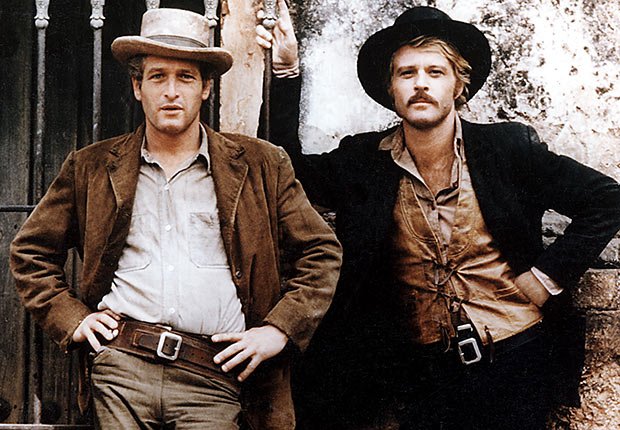
“Who are those guys?!?” No matter what Butch Cassidy and the Sundance Kid tried to do, they couldn’t shake the posse on their tail. It’s one of my favorite scenes from one of my favorite movies. Lawman Joe Lefors and a native American tracker named Lord Baltimore are in hot pursuit. They’re relentless. They’re aggressive. Nothing will stop them. A few centuries before Paul Newman and Robert Redford made the the Hole and the Wall Gang a household name, a man named Paul spent his life in hot pursuit. In his younger days, his name was Saul and he hunted down Jesus’ followers to arrest and kill them. After his conversion, he used that same intensity to chase after Jesus Himself to experience a deeper relationship with Him. Funny thing. The apostle puts the pedal to the metal to chase after the Savior who hunted him down in the first place. Paul is in hot pursuit because he’s been hotly pursued.

Let’s step back and get a little perspective to what’s happening here. A quick check of the calendar tells us it’s around 61-62 AD. The Apostle Paul is in Caesar’s Supermax in Rome waiting for the emperor to hear his appeal. He fires off a letter to some of his favorite people on the planet, a group of believers in the Macedonian seaport of Philippi. Paul and his travel team first visited the city about ten years back. They brought the amazing message of Jesus to Philippi and things got crazy. God used the man from Tarsus and his crew to turn the joint upside down. It would be very easy for these Philippian friends to put Paul on a pedestal. And why not? The dude sure seems to have his stuff together. Is there any doubt he has everything figured out? In the words of the great theologian Lee Corso, “Not so fast, my friend!” The apostle lets these disciples know in no uncertain terms that the only thing he’s really figured out is he’s desperate for more of Jesus. He’s anything but cocky. He’s far from finished. He’s simply a beggar who’s been shown where to find the Bread. 

Paul has just written how he wasted a lot of his life piling up accomplishments and awards for his religious resume (Phil 3:4-6). It turns out God wasn’t going to be impressed one stinking bit by his credentials. No matter how many trophies he put on the shelf or how many plaques he hung on the wall, it wasn’t going to be enough. As a matter of fact, they were no better than a big steaming pile compared to a personal relationship with Jesus (Phil 3:7-8). As a result, the apostle chucks it all in order to know Jesus and truly experience all that He has accomplished on his behalf. It’s not about Paul’s feeble attempt at self-salvation through his own goodness but Jesus’ complete and total perfection (Phil 3:9). The apostle puts the hammer down and races after Christ, “the power of His resurrection” (Phil 3:10), and the “resurrection from the dead” (Phil 3:11). He’s not there yet. Not even close. But he’s headed in the right direction in a very big hurry. He’s in hot pursuit of Jesus and His resurrection.

You’d think if Jesus tapped you on the shoulder as the primo apostle to non-Jews around the world, you’d have things all buttoned up and nailed down. Not our man Paul. “Not that I have already obtained this or am already perfect” (v12). The deeper he gets in his relationship with Christ, the more he realizes he’s just in the kiddie pool. He doesn’t have it all figured out. As a matter of fact, a quick look at Paul’s life in Scripture reveals how his humility and desperation grow through the years. In one of his letters to the Corinthian church written around 55 AD, he describes himself as the “least of the apostles” (1Cor 15:9). A few years later (probably 61 AD), he demotes himself to the Ephesians as the “least of all the saints” (Eph 3:8). And just a couple of years later (circa 63 AD), Paul puts himself at the back of a very long line. “Christ Jesus came into the world to save sinners, of whom I am the foremost” (1Tim 1:15). 

Let’s review Paul’s journey. First, he’s least of the apostles. Then least of of the saints. Finally, chief of sinners. I don’t know about you, but shouldn’t he be moving in the opposite direction? But it actually makes perfect sense. The more he grows in his relationship with Jesus, the more he realizes his desperation. The more it becomes glaringly apparent he has not “already obtained this” (v12). The more is crystal clear he’s not “already perfect” (v12). Becoming more spiritually mature is actually acknowledging our absolute and utter need for more of Jesus each and every moment of each and every day. How about you? Do you think you’ve got it figured out? Do you believe you’ve got your stuff in one bag with a handy twist tie? Just stop it. Stop trying to fool people into thinking you’ve got it all together! If Paul didn’t, who in the heck do you think you are?!? For Pete’s sake, the dude wrote most of the New Testament. People don’t need you to stand there with an “S” on your chest and your cape blowing in the wind for Jesus. They need to know you struggle just like they do. The only difference is an eternity changing relationship with the resurrected Rabbi from Nazareth.

The more he understands his own great need, Paul wastes no time hightailing after it. “I press on to make it my own” (v12). He uses a Greek verb (Gr. dioko) that means to run after, pursue, or chase after something. This is no casual stroll down the primrose path. This is an all out sprint. The term paints a picture of relentlessness, intensity, singular focus, and aggression. It’s such a power-packed word that a couple of Gospel writers use it when talking about the intense persecution (Mt 23:34; Jn 5:16). Earlier in his life, Paul was in hot pursuit of Jesus and His followers. In fact, when the risen Christ blindsided the apostle formerly known as Saul outside Damascus, He asked him, “Saul, Saul, why are you persecuting (Gr. dioko) Me?” (Acts 9:4). The former Pharisee pulled no punches in his hunting down of Christ’s disciples. “I persecuted (Gr. dioko) this Way to the death” (Acts 22:4). But after his initial encounter with Jesus, everything changed. Paul is still intensely chasing, but now it’s after more of Christ, more of His grace, more of His mercy, more of His love. He’s in hot pursuit.

The apostle’s relentless quest is all “because Christ Jesus has made me His own” (v12). Paul belongs to the Lord because our Savior hunted him down first. An English poet by the name of Francis Thompson wrote a little called “The Hound of Heaven.” It’s all about God’s unrelenting hunt to find and save the lost. He unleashes His pack of bloodhounds to chase you and me down. There’s no escaping Him. Nowhere to run. Nowhere to hide. Jesus caught up with Paul just before he took the exit for Damascus. Christ got a grip on him and never let him go. Has our Savior made you His own? If so, take a tip from the apostle. Paul is in hot pursuit because he’s been hotly pursued. Has Christ not caught up with you? If not, you may want to take a peek over your shoulder. The Hound of Heaven is hot pursuit.

Thursday, June 18, 2015

By Any Means Necessary

“that by any means possible I may attain the resurrection from the dead” (Philippians 3:11)


It all comes down to this single moment. The game is on the line. It’s do or die. You must make the play. You’ll do whatever it takes. Like a ball carrier willing to sacrifice his body in a all out dive over the defender into the end zone in the Super Bowl. Like baserunner flying round third for a bang-bang play at the plate in the World Series. You MUST do it! By any means necessary. That’s the picture Paul paints here in Philippians 3, “that by any means possible I may attain the resurrection from the dead.” Somehow he’s got to grab the brass ring of eternal life. Someway he’s got to make his escape from the rotting corpses. He’ll do whatever it takes. By any means necessary.

From the slammer in Rome, the apostle is writing a letter of encouragement to his friends back in Philippi. Just a few years back, Paul and his posse rolled into the Macedonian seaport carrying the Good News of Jesus into Europe for the very first time (Acts 16:12-40). God used the man from Tarsus to plant a church out of an unlikely bunch. A transplanted fashionista from Thyatira. A formerly demon-possessed young woman liberated from human trafficking. A tough-as-nails prison guard and his family. This goofy bunch of believers has a special place in Paul’s heart. So after sending letters to churches with serious issues in places like Ephesus and Colossae, he grabs his pen one more time. This time it drips with joy as well as ink. He reminds them how he wasted much of his life trying to impress God with his religious resume (Phil 3:4-6). It was only when he met the resurrected Jesus face-to-face that he realized all his own accomplishments and awards were no more than a big steaming pile (Phil 3:7-8). He had one goal. He had one target. A deep and intimate relationship with the One who came to his rescue. And nothing was going to get in his way.

Paul picks right up where he left off in verse 10. Once he dies and becomes like Jesus in His death, he knows his own resurrection will follow. He’s putting everything on the line in order that he “may know Him and the power of His resurrection, and may share His sufferings, becoming like Him in His death” (Phil 3:10). A personal relationship with the Son of God logically leads to access to His explosive resurrection power. That means we also become teammates in Jesus’ pain, suffering, and death. But the apostle circles back once again to the glorious end game, “the resurrection from the dead” (v11). He’ll lay it all on the line to get it. By any means necessary.

A closer look at the original language reveals a couple of curious things. Paul drops a tiny Greek word (Gr. pos) from which the ESV translators give us “by any means possible” (v11). It means somehow, in some way, after all, or by some means. If there’s any sliver of hope, the apostle will “attain” what he’s after. This is the verb katantao, which can be translated to come to, arrive, or reach, finish a journey. Cross the goal line. Touch home plate. The apostle is will sell out to make it happen. Picture a running back sacrificing his body to dive for the score.

At first you might read this verse and scratch your head. There sure seems to be a boatload of doubt in Paul’s mind about arriving at his goal of resurrection. Is he hedging his bets? Is he unsure of what will eventually happen? Is he apprehensive about how this will all end? Relax. Robertson tells us this is not so much an expression of doubt, but of humility. There’s no question in Paul’s mind he’ll walk out of the graveyard just like every other believer. He simply knows he’s done nothing in his own efforts to make it happen. But let’s not get ahead of ourselves, shall we?

Our author will use every club in his bag in order to get ahold of “the resurrection from the dead” (v11). MacArthur points out Paul uses a phrase that literally means a “resurrection out from the corpses.” He’s emphasizing the rising up and escape of believers out of the sea of lifeless bodies. Ewww! Sounds gross, doesn’t it? Seems like a scene from the “Walking Dead” or “World War Z.” Well, it should. There’s nothing the apostle won’t do to put death in his rearview mirror. And he’s going to do everything he can to share the Gospel of Jesus with everyone who will listen so that they can join him in his escape to resurrection.

Here’s the crazy thing. On one hand, Paul says he’ll take extreme measures to get his hands on resurrection. But that only happens through a relationship with Jesus (Phil 3:10). We only attain His resurrection because He’s attained it for us. We can’t do it. There’s no way. We CANNOT save ourselves. We can’t make ourselves good enough. We can’t build up enough brownie points. We can’t win enough awards. What we can do is place our trust in the One who has. Jesus attained the perfect live I failed to live. He died the bloody death I should have died. He rose to the jaw-dropping resurrection life I don’t deserve. I believe in what He did on my behalf. I have to. There’s no way I can attain it on my own. You see, Christ was willing to do whatever it took to “attain the resurrection from the dead” (v11) for you and me. The night before His murder, the Son asked the Father if there was any other way this could go down. Jesus determines to do whatever His Dad decides (Lk 22:42). By any means necessary.

Wednesday, June 17, 2015

Knowing Jesus

“that I may know Him and the power of His resurrection, and may share His sufferings, becoming like Him in His death” (Philippians 3:10).

How can you really know a Person who hasn’t walked the earth for more than 2,000 years? Is it really possible to have the mythical “personal relationship with Christ” so many of His followers claim is possible? You’re telling me I can have an intimate friendship with Somebody I can’t see, can’t hear, and can’t touch. What are you smoking?!? But Paul says this relationship with Jesus is not only possible but something each of His followers can experience. He should know. The man from Tarsus didn’t really begin his friendship with the Lord until AFTER Christ was crucified, dead, and buried. The apostle tells us his personal desire is truly growing in His knowing of Jesus through three key ideas. Knowing and actually experiencing His resurrection power. Knowing and actually sharing His suffering. Knowing and actually sharing in His death. Intimacy with the risen Rabbi/Carpenter from Nazareth is really and truly available to you and me. Once we come to a personal relationship with Jesus through His resurrection, His suffering, and His death, everything else is just background noise. 

If anybody should know, it’s our man Paul. This former Pharisee spent the early days of his career as one of the best and brightest in Judaism (Phil 3:5-6). Top of his class. A five-star recruit. First round draft pick. He was so aggressive and rabid in his defense of his religion that he devoted himself to ruthlessly wiping any mention of Jesus and his followers from the planet. But a funny thing happened on his way to kill more Christians in Damascus. Jesus happened. The RESURRECTED Jesus happened! Christ divinely blindsided the man known as Saul and transformed the number one enemy of His church into His number one spokesman (Acts 9:1-22). It’s not everyday you end up becoming best friends with your mugger, but that’s how Paul’s relationship with Jesus began. I guess you could say the apostle never saw this friendship coming.

Paul tells his friends back in Philippi how he soon realized that his once impressive religious resume is now worthless (Phil 3:7). He goes so far as to say all of his credentials, awards, and accomplishments are really nothing more than a big steaming pile compared to his relationship with Jesus (Phil 3:8). If you think that’s disgusting and shouldn’t be in the Bible, take it up with Paul. He goes on to talk about trusting in what Christ has done for us that we could never do for ourselves (Phil 3:9). We lean on His perfectly obedient life. We lean on His death for our sin. We lean on His spectacular resurrection. 

But our relationship with Jesus is much more than flipping back through the pages of history and remembering a few facts (spectacular facts, but facts nonetheless). Following Christ is not just the past. It’s the present. It’s for the future. The apostle has made it his life’s goal “that I may know Him” (v10). He’s not looking to simply gather data about the Son of God through a Google search and a trip to the library. Knowing ABOUT Him is never a bad idea. But truly knowing Christ is at the top of his priorities each and every day. Remember, this dude met the risen Jesus face-to-face on an expressway outside Damascus. Yet he’s absolutely consumed with the desire for a deeper relationship and intimate friendship with his Savior. He’s not satisfied with a one-and-done encounter. And he says we shouldn’t be either. 

For us to truly dive into the deep end of our friendship with Jesus, Paul says we should start with “the power of His resurrection” (v10). Imagine the kind of supernatural energy it took to bring our Savior back to life. The Greek word translated “power” is dunamis, which means might, strength, or force. It doesn’t describe some sort of minimum strength capability. This term ripples with explosive power. Back when Alfred Nobel invented his explosive blasting powder, he went to this very same ancient word for the brand name dynamite. You may want to step back. The resurrection of Jesus is HIGHLY VOLATILE! The radical Rabbi/Carpenter gave the world a teaser trailer of what was to come when He called His old buddy Lazarus out of grave (Jn 11:43-44). Just before calling her brother back from the dead, Christ tells Laz’ sister Martha, “I am the resurrection and the life” (Jn 11:25). 

Paul tells the Romans how God didn’t used TNT to blast Jesus out of the grave, but His Holy Spirit. “If the Spirit of Him who raised Jesus from dwells in you, He who raised Christ Jesus from the dead will also give life to your mortal bodies through His Spirit who dwells in you” (Rom 8:11). The very same Spirit who brought the Son out of the graveyard lives in every follower of Jesus. Any Marvel fans out there? The Spirit-powered resurrection makes the infamous infinity stones look like a worthless gravel. It makes nuke plant look like a half-dead D battery. To steal a line from one of our great hymns of the faith, Jesus’ resurrection” (v10) gives me strength for today and bright hope for tomorrow. God gives this very same power He used to raise His Son from the dead to you and me. His resurrection is so powerful it allows us to replace religion with a relationship. Once we experience a friendship with Jesus and “the power of His resurrection” (v10), we ought to come with a warning label. 

I’m not going to lie. I would be happy for Paul to slam on the breaks right here. I’m stoked about whole resurrection power deal but would rather pass on what comes next if you don’t mind. Suffering? No thank you. Death? I’ll politely decline. But as a friend once told me, we can’t get to Resurrection Sunday with joining Jesus at Calvary on Friday. Paul knows that a personal relationship with our Savior means the privilege being able to “share in His sufferings” (v10). If you’ve spent any time around traditional church folks, you’ve heard them talk about koinonia. That’s Christianese for hanging out in the church basement after a pot luck supper of casseroles. For many of us, that’s as close to true suffering as we’ll ever get. 

However the original Greek meaning of koinonia describes a close mutual relationship or partnership. Think of being teammates. We’re on Jesus’ team because of His suffering. By personally experiencing unspeakable and unimaginable pain on our behalf, Christ provides you and me with supernatural comfort as we suffer (Heb 2:18; 4:15; 12:2-4). Because He experience the full extent of pain, we can expect to experience some of it as His followers (1Pet 2:21-24). And it’s in our suffering that we truly become teammates with the Lord. Our relationship with Jesus means not only growing in our knowing about His resurrection power but growing in our knowing of His suffering too. But our suffering with Jesus means being comforted by Jesus. “For as we share abundantly in Christ’s sufferings, so through Christ we share abundantly in comfort too” (2Cor 1:5). While I would rather politely decline this pain-filled invitation, it’s the surefire source of an intimate friendship with the resurrected Son of God.

The apostle doesn’t stop there. We truly experience a deep relationship with Jesus by “becoming like Him in His death” (v10). Again, I wasn’t crazy about the whole suffering part. I’m even less excited about the dying deal. But Paul tells us this is where the rubber meets the road when it comes to knowing Christ. The Savior didn’t die a meaningless death on a cross. Hundreds of thousands of other victims suffered this torturous death at the hands of the Roman Empire. But Jesus’ crucifixion was different. He died for you. He died for me. And there was nothing we did to deserve this incredible act of love. “But God shows His love for us in that while we were still sinners, Christ died for us” (Rom 5:8). The cross didn’t just drip with His blood but His amazing grace as well. We become like the Lord in His death when we do for others what they can’t do for themselves. We become like Him in His death when do for them what they don’t deserve. We become like Him in His death when we serve others. That’s why the Bible is full of the encouragement to die to self (Mt 10:38; Mk 8:35; Lk 9:23; Jn 12:25; Gal 2:20; 5:16). We become like Christ in His death when we stop concerning ourselves with ourselves. We grow in our relationship with Jesus when we get our serve on. 

We can truly experience a dynamic intimacy with Jesus even though He headed home to heaven 2,000 years ago. Take it from Paul. It starts with understanding and unleashing the explosive resurrection power of God’s Spirit living inside you and me. We also grow in our relationship when we suffer alongside Him. Christ is right there with us, comforting us every step of the way. We really dive into the deep end of knowledge of Jesus when we die to ourselves and serve others. You see, it IS possible to have a personal relationship with our Savior. Once we do, everything else is just background noise.